
LivUp
Informacje prasowe
LivUp breathes new life into the historic building at 8 Moniuszki Street
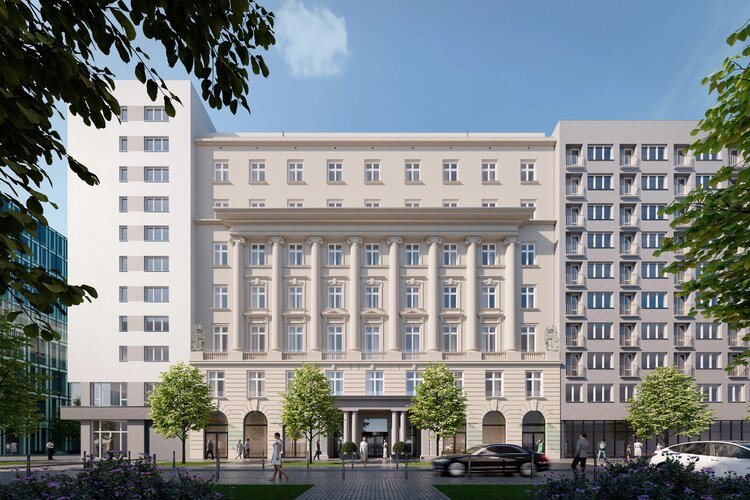
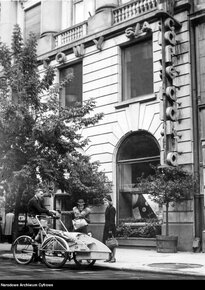
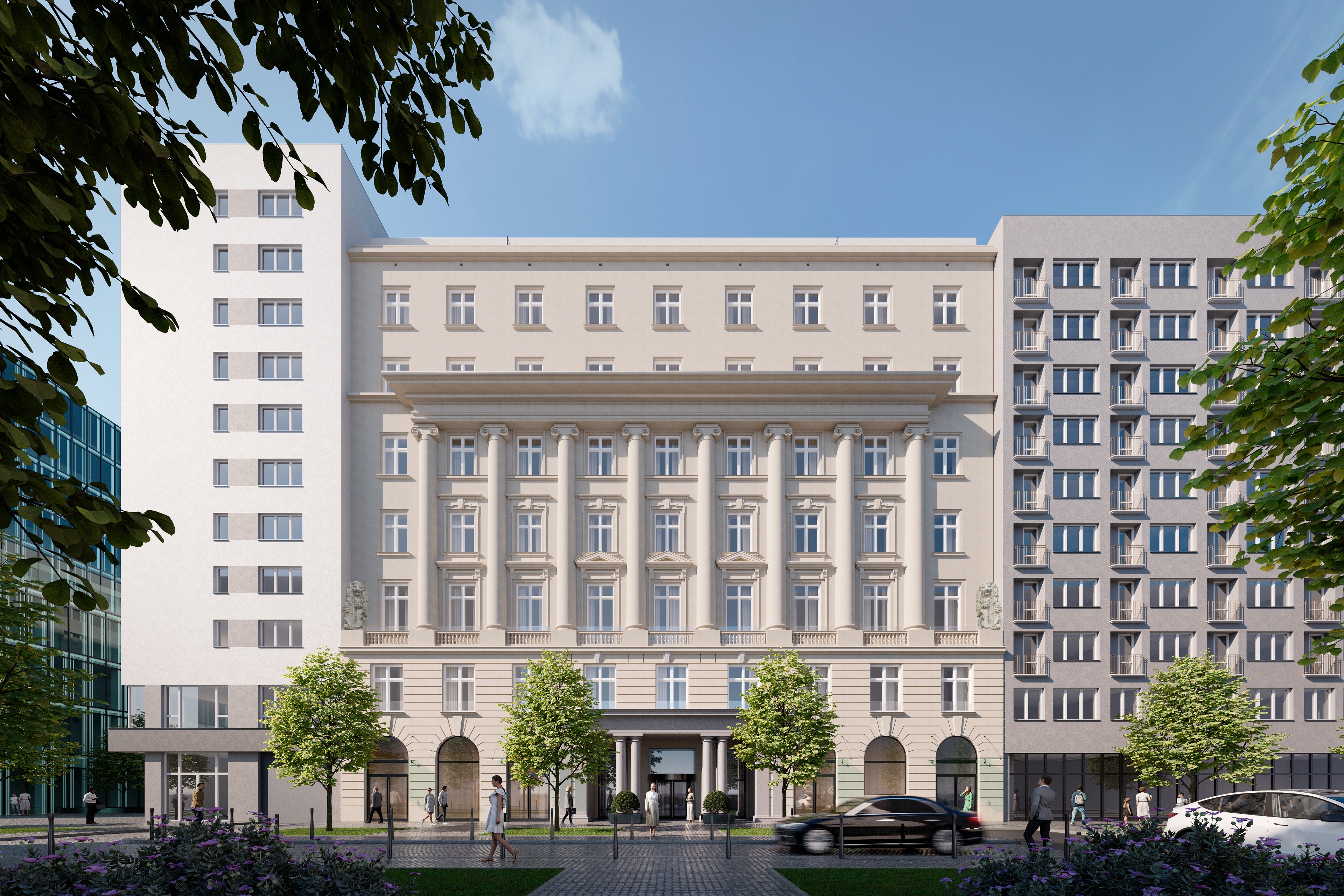
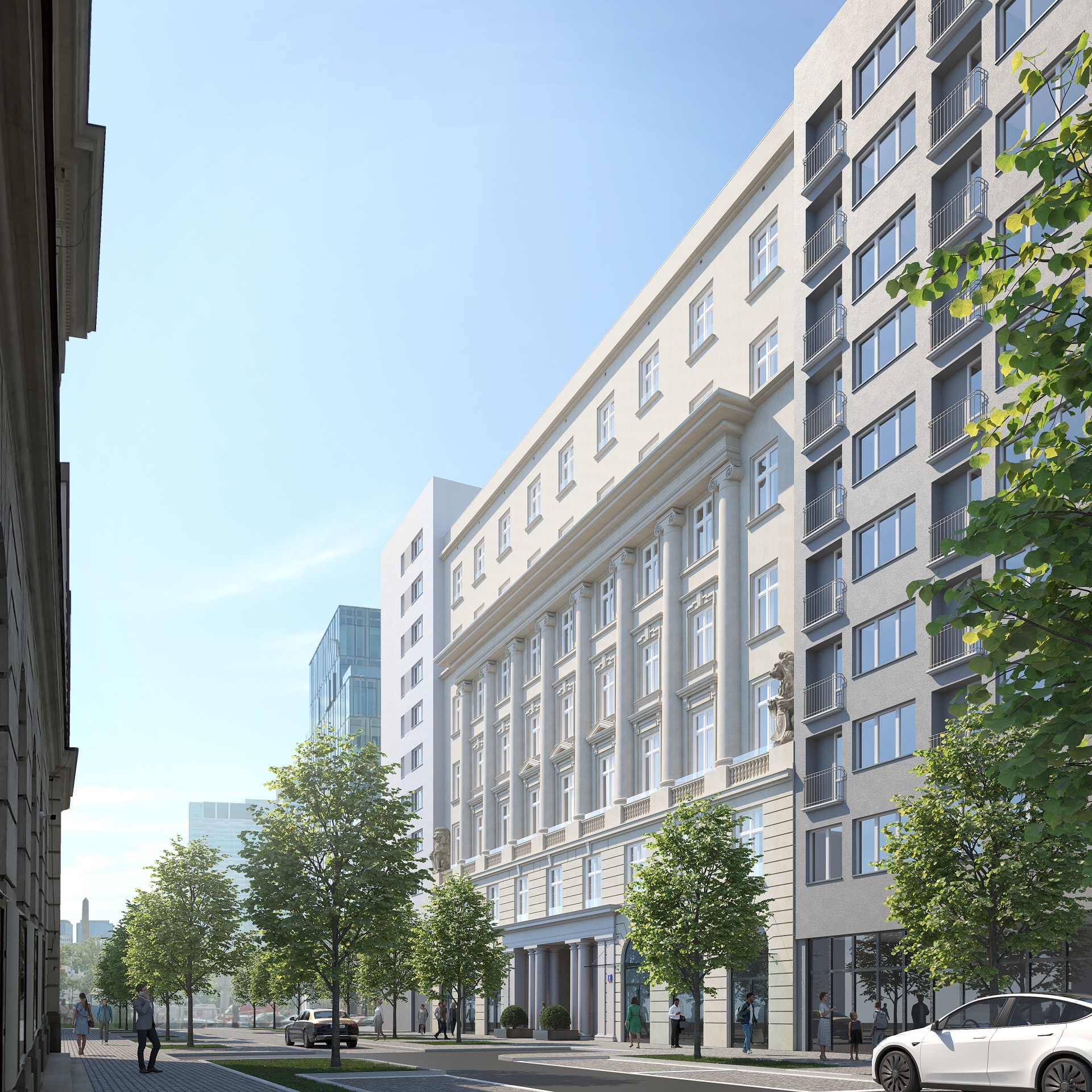
LivUp, a company active on the Polish PRS market, has begun the revitalisation of the tenement house at 8 Moniuszki Street in Warsaw - a place with a remarkable history and a strong presence in the city’s identity. This is where the famous Café Adria once operated. One of the most elegant venues before Second World War, known for its revolving dance floor, celebrity performances and the vibrant atmosphere of pre-war Warsaw. Thanks to the modernisation, the building will re-appear on the city’s map in a new refreshed version, as a refined residential development dedicated to long-term institutional rental. Additionally, high street retail and food & beverage spaces are also planned.
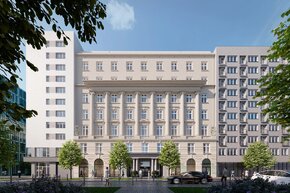
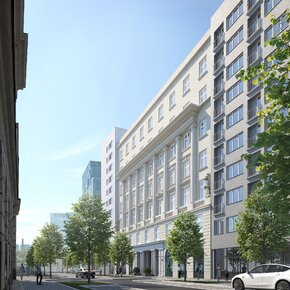
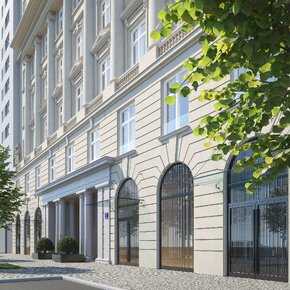
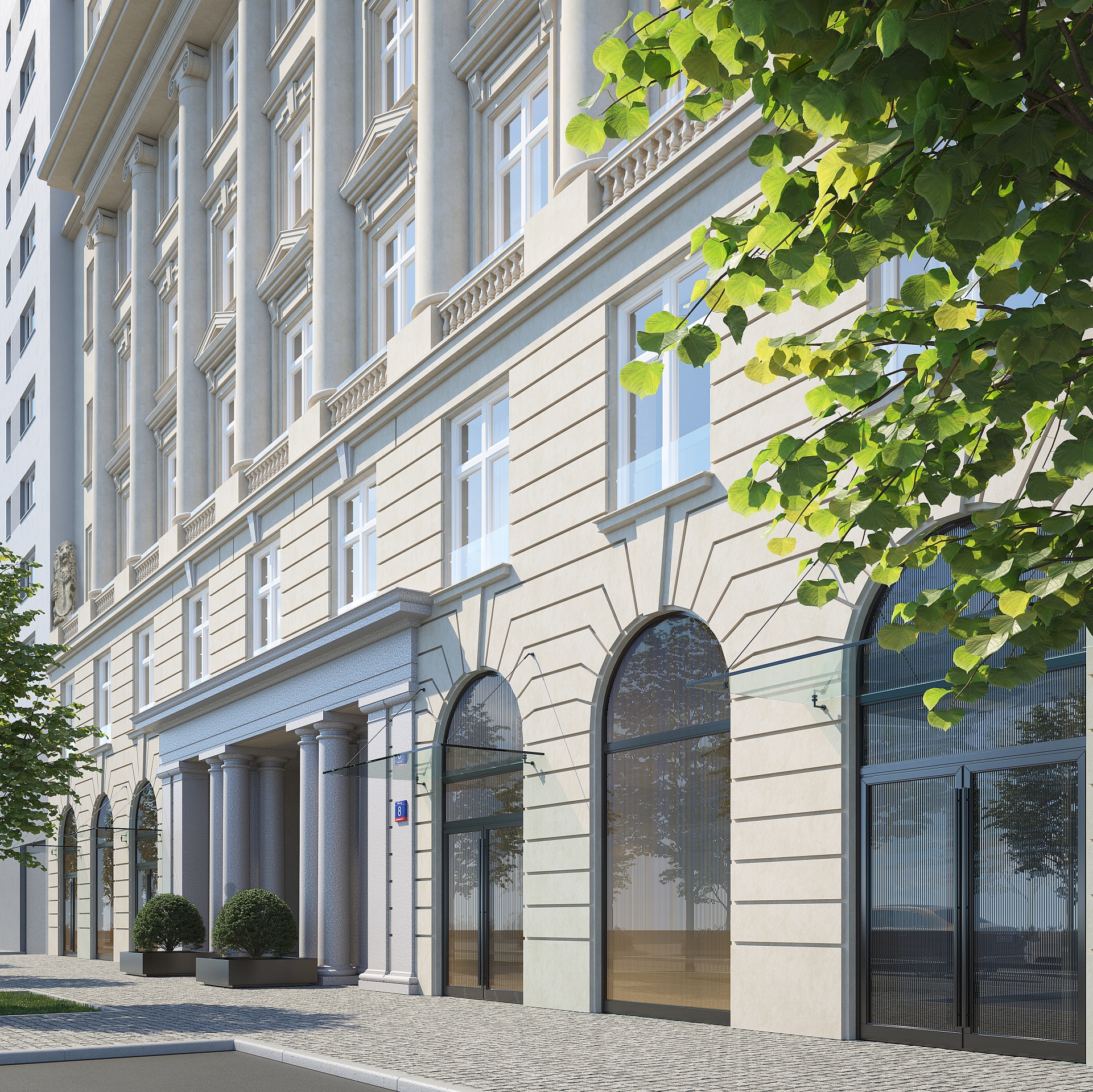
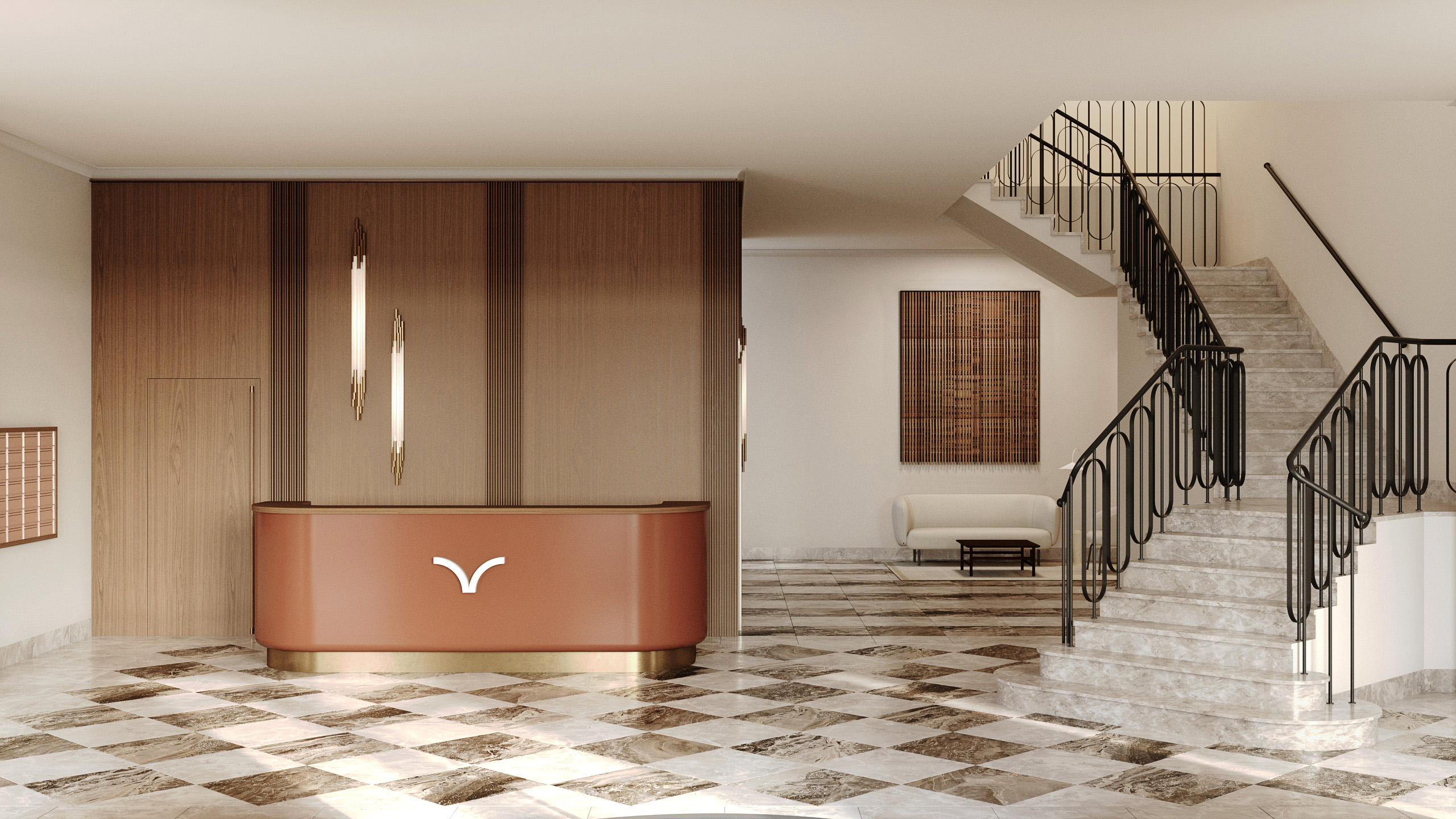
The project involves the reconstruction, extension and conversion of the building from office and service use to residential use. The renovated building featuring six residential floors and a usable floor area of nearly 2,600 sq m, will accommodate 65 apartments ranging from 25 to 64 sq m, designed to create a high-quality living experience tailored to modern urban lifestyles in the very heart of Warsaw. The project includes air conditioning in every unit, functional interior, spacious layouts and access to common areas shaped by LivUp’s unique design approach, focused on enhancing residents’ everyday experiences. Residents will be able to enjoy an elegant lobby with a reception desk, common leisure-and-work areas, an intimate fitness, recreational zones, a bicycle room and a landscaped terrace on level +1. A green rooftop terrace with a view of the city skyline is also planned. The building will additionally include areas designated for potential retail, service or dining uses on the ground floor and two underground commercial levels totaling to approximately 1,200 sq m of GLA. Construction works began in August 2025 and are scheduled for completion in the second half of 2027. TECHBAU Budownictwo was appointed as the general contractor, while MJL is responsible for investment supervision.
“Moniuszki 8 is an absolutely trophy project. It will bring together the history of Warsaw modernism with LivUp’s contemporary high standard of living to the city centre. This is the first revitalisation project in our portfolio, so our aim is to restore the building’s former glory while respecting its extraordinary heritage and to offer beautifully designed apartments for rent that elevate the everyday living experience. In addition to the residential component, Moniuszki 8 also offers commercial space. We see strong potential for these units to become an attractive destination for retail and F&B operators, adding value not only to the project but also to the surrounding urban fabric. Highlighting this part of the scheme is important to us, as the right commercial tenants will help bring new energy to the building and broaden its appeal,” says Shay Baruch, CEO of LivUp.
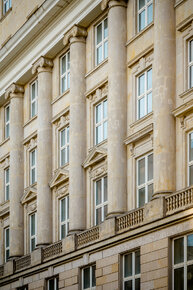
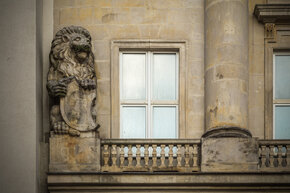
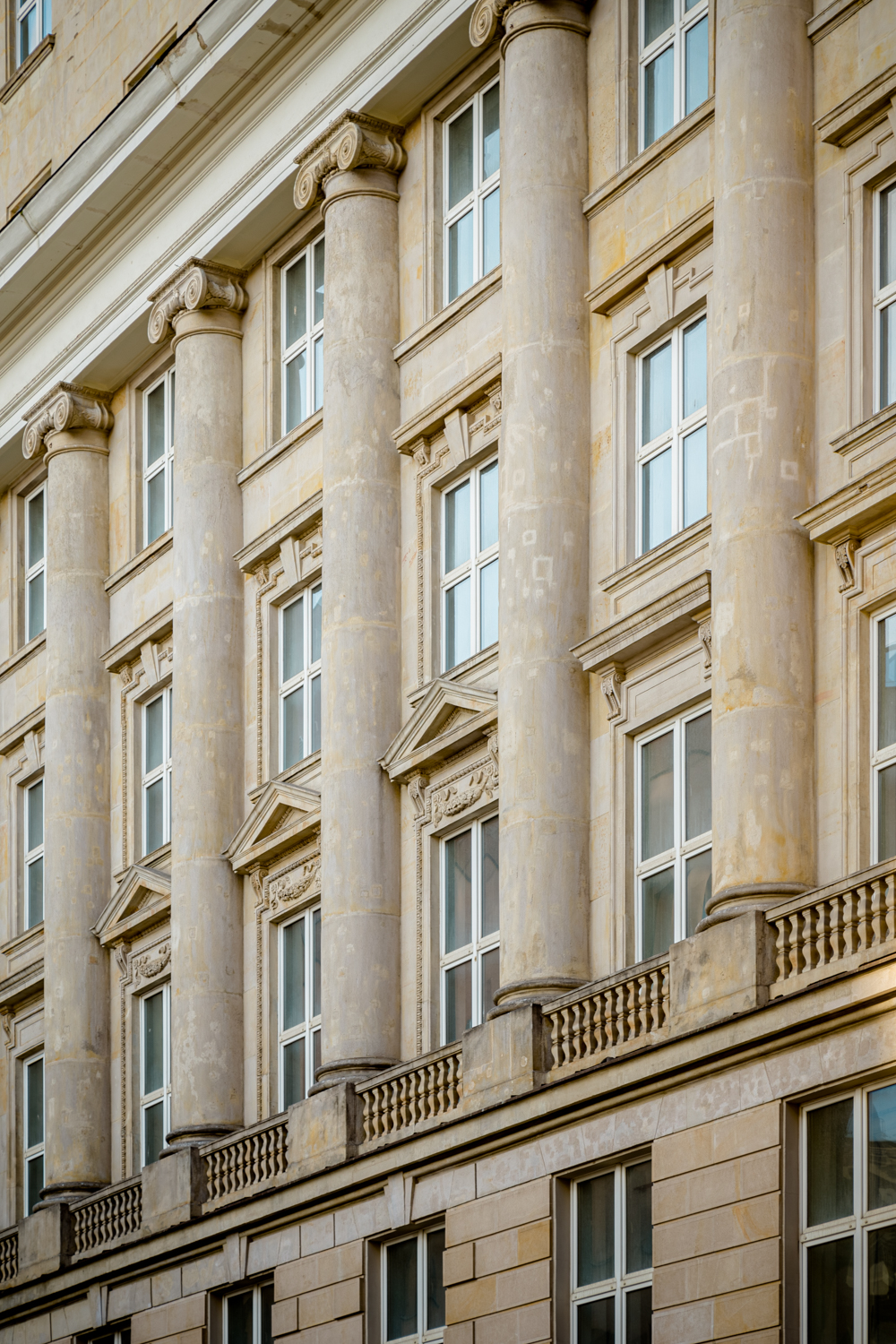
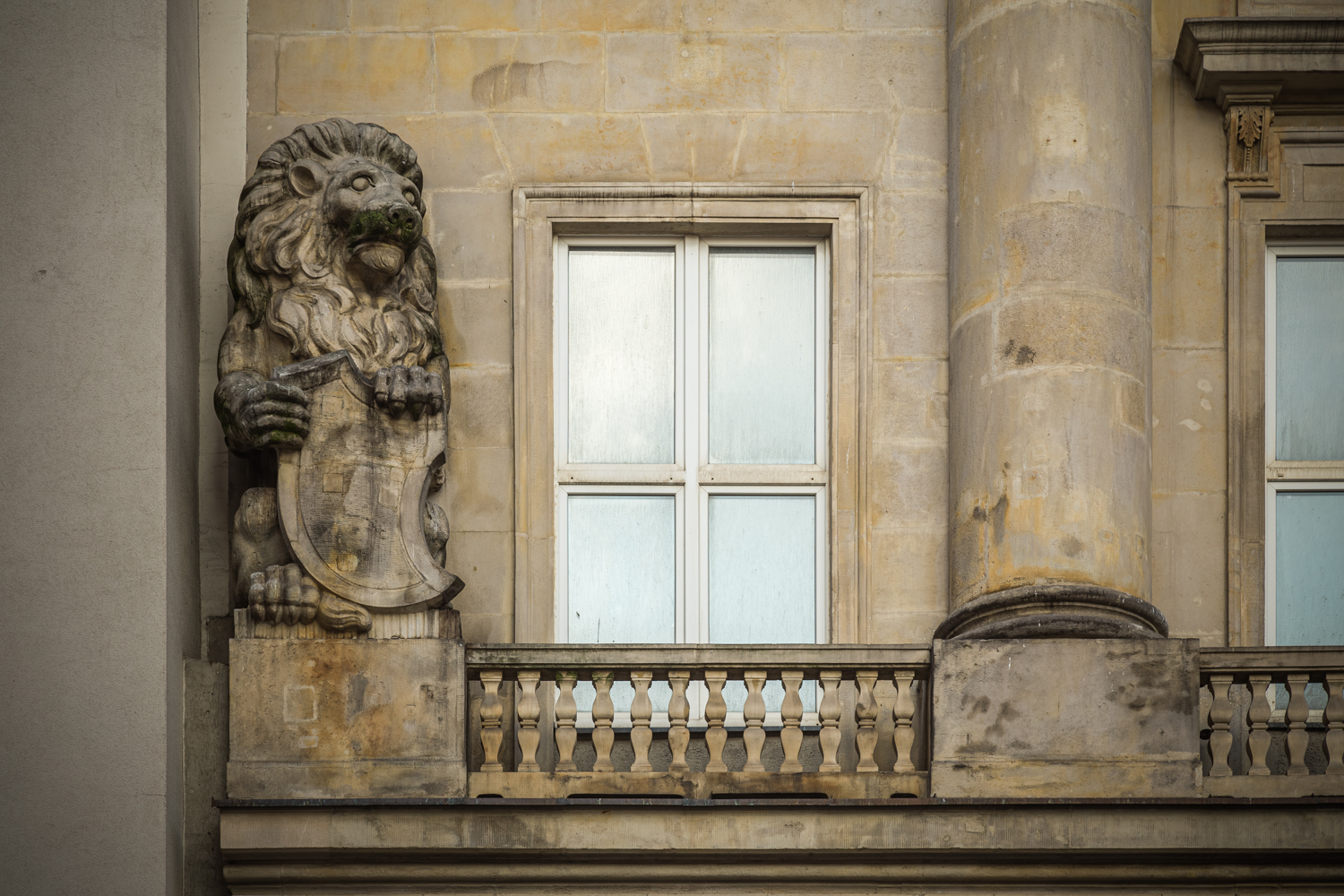
APMD Architects is responsible for the building’s modernisation design, with the new architectural form carefully integrated into the historic character of the site. The building, constructed between 1928 and 1930 for the Riunione Adriatica di Sicurtà insurance company to a design by Edward Zachariasz Eber, is a valuable example of classicising modernism and is listed in the Municipal Register of Monuments. The work, developed in line with a conservation plan agreed with the Mazovian Conservator of Monuments, will include the renovation of the façade, the restoration of the monumental Ionic columns and entablature, preservation of original stonework, reconstruction of stucco details and the restoration of the characteristic lions that have guarded the entrance from Moniuszki Street for decades. All windows will be replaced with wooden frames reflecting the historical divisions and colours approved by the conservator. After the revitalisation is completed, a plaque commemorating the heroic deed of Jan Kryst “Alan”, a Polish Home Army (AK) soldier who carried out a solo operation against German officers in Adria on 22 May 1943, will also return to the façade.
“Moniuszki 8 is a project that demanded particular sensitivity from us. This building is deeply rooted in the memory of the city, yet it is now entering an entirely new chapter. We wanted the revitalisation to capture both the spirit of interwar Warsaw and the energy of today’s city centre. Working on the form and details, we aimed to restore the façade’s elegance and bring lightness, functionality and freshness to the entire structure. Once completed, the building will not only regain its dignity but will also become a modern home that responds to the needs of contemporary city dwellers,” says Piotr Lasek, President of the Board at APMD Architects.
The interior design has been prepared by the Warsaw-based IDSTUDIO, offering an original interpretation of interwar aesthetics. The concept blends the elegance and geometry of the period with contemporary design and modern-day focus on enhancing everyday life. The apartments and common areas will form a coherent visual language based on high-quality finishes, softly rounded furniture forms, local craftsmanship and a carefully selected colour palette. The common spaces and lobby will feature decorations and graphics inspired by archival photographs of Warsaw and Adria, and most of the furniture will be custom-made by Polish manufacturers especially for this project.
“Our design can be described as a tribute to Warsaw’s interwar era and, in a way, a historical collage,” says Katja Sadziak, interior designer and founder of IDSTUDIO. “Rather than recreating the past, the interiors interpret it through a contemporary lens. As the building enters a new chapter in its history, the interiors reflect this fresh beginning — offering residents functional, timeless, and welcoming spaces designed to enhance everyday life.”
History of the building
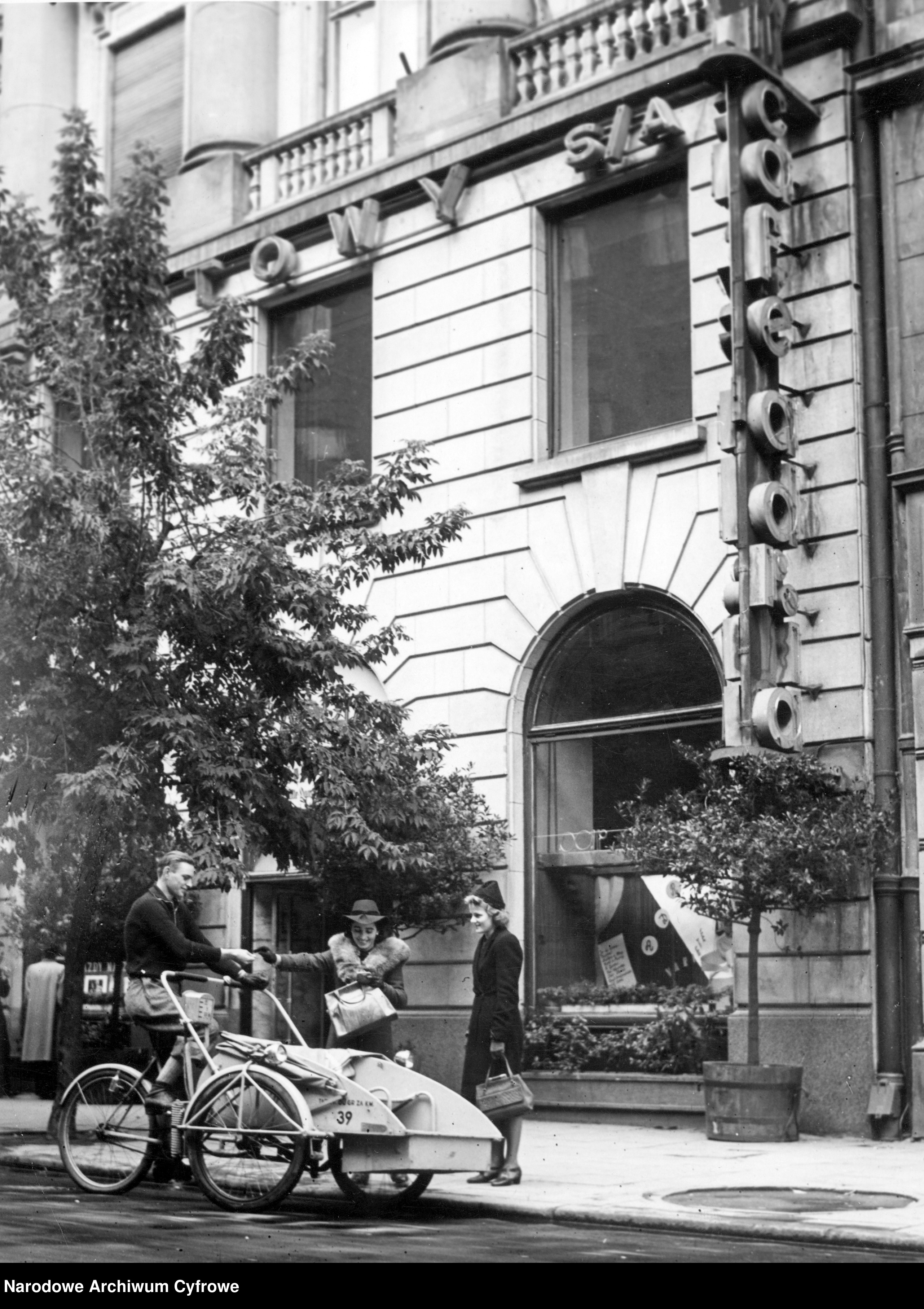
Moniuszki 8 is a place with a rich and multilayered past. Before the war, Adria was one of the most important venues in Warsaw’s social landscape. Balls, high-profile gatherings and concerts by the most prominent artists of the time were held here, and its interiors impressed with their modernity and style. During the German occupation, the venue operated exclusively for Germans, with information overheard there passed on to the Polish underground. In May 1943, one of the most daring Polish Home Army operations took place in Adria. During the Warsaw Uprising, the building housed the Propaganda Department of the Polish Home Army Headquarters and the “Błyskawica” radio station. Heavily shelled due to its strategic location, the building was hit by a German shell that destroyed its rear section, although the front façade remained nearly intact. It was rebuilt soon afterwards for PZU, and Adria reopened in 1973 as a state-run project - though never returning to its pre-war splendour. The venue ultimately closed in 2005. In recent years, the building functioned as an office property with commercial spaces for rent.
Kontakt dla mediów